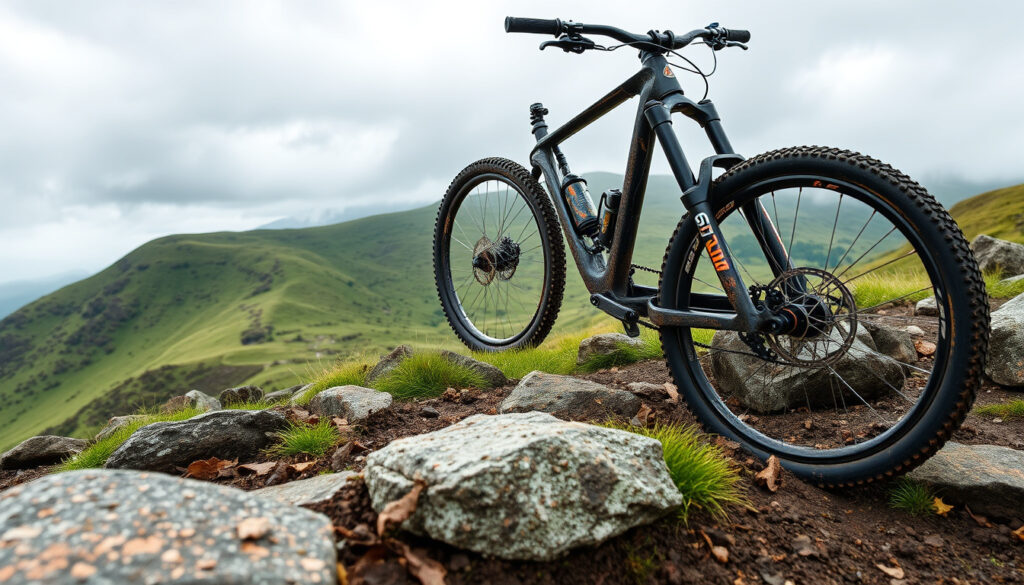
Full Suspension Mountain Bike – Best Budget Picks UK
Full suspension mountain bikes represent a significant investment for trail riders seeking maximum control and comfort on rough terrain. Unlike hardtails, these machines feature both front and rear suspension systems, absorbing impacts from rocks, roots, and drops that would otherwise rattle through the frame. For buyers operating within specific budgets—particularly those seeking options under $500, $1000, or $2000—understanding the landscape of available models, regional availability, and frame technology becomes essential for making an informed purchase.
The UK market presents particular challenges for budget-conscious buyers, with true full suspension models remaining scarce below the £500 threshold. Industry sources indicate that most affordable options tend toward hardtail designs, while genuine dual-suspension bikes require either stretching the budget or accepting compromises in component quality or availability.
Best Full Suspension Mountain Bikes Under $1000
Finding a capable full suspension mountain bike below the $1000 threshold requires careful navigation of the market, with most options falling into either basic entry-level categories or requiring buyers to consider hardtail alternatives that offer superior value in other areas. The landscape shifts considerably across different price brackets, with meaningful choices appearing primarily above the £500 mark.
| Budget Tier | Key Brands | Travel (front/rear) | Best For |
|---|---|---|---|
| Under $500 / £400 | Ozark Trail (US), basic models | 80-100mm | Local trails, beginners |
| Under $1000 / £800 | Decathlon, entry Trek, Canyon | 120-140mm | Trail riding, intermediates |
| Under $2000 / £1600 | Giant, Scott, Canyon | 140-160mm | Technical trails, advanced |
| $2000+ | Santa Cruz, Cannondale, Specialized | 160mm+ | Enduro, aggressive riding |
Key Insights for Budget Buyers
Several critical factors emerge when evaluating full suspension mountain bikes across these price points:
- True full suspension models under £500 are extremely rare in the UK market, with most budget options consisting of hardtails or US-sourced bikes with limited availability
- The Ozark Trail FS.2 Slalom stands out as the most frequently mentioned dual-suspension option under $500, offering basic dual suspension praised for smooth ride quality and reliable handling
- Stretching budgets to £525 or beyond unlocks viable options, with experts recommending brands like Voodoo and Marin for their geometry and component value
- Canyon Neuron 5 appears consistently as the best overall budget full-sus option, delivering strong ride quality and specification for the price across retailer reviews
- GT Sensor ST Carbon Pro offers a sophisticated four-bar suspension design that competes with more expensive bikes, making it ideal for riders seeking versatile performance
- Hardtail alternatives like the Vitus Nucleus 29 VR (£550) and Marin Bobcat Trail 3 (£525) provide capable geometry at competitive prices when full suspension proves elusive
- Larger wheel sizes (27.5in and 29in) dominate modern designs, rolling over obstacles more effectively than smaller formats
Snapshot of Key Specifications
| Feature | Typical Specification | Budget Impact |
|---|---|---|
| Wheel Size | 27.5in or 29in | 29in preferred for momentum; higher rolling resistance on climbs |
| Suspension Travel | 120-160mm | More travel increases comfort but adds weight and reduces pedalling efficiency |
| Frame Material | Aluminium alloy (budget), Carbon fibre (premium) | Aluminium dominates under £2000; carbon rare except in select models like GT Sensor |
| Brake Type | Hydraulic disc brakes (standard), Mechanical disc (budget) | Hydraulic offers better modulation; mechanical requires less maintenance |
| Drivetrain | 1x single-ring (modern), 2x/3x (older) | Single-ring simplifies shifting and reduces weight |
| Fork Quality | Basic air/coil (budget), Performance tune (premium) | Fork quality significantly affects ride quality; budget forks may exhibit clunking |
The Voodoo Braag represents one of the better hardtail options under £500, featuring 29in wheels, a 120mm front fork, and weighing 14.6kg. While praised for geometry, reviewers note that the fork can exhibit clunking on rougher terrain—a common compromise at this price point.
Top Full Suspension Mountain Bikes Under $2000
The sub-$2000 category unlocks genuinely capable trail and enduro machines equipped with modern geometry, improved suspension performance, and components that can handle regular aggressive riding. According to BikePerfect’s analysis, this price range delivers “well put-together trail/enduro packages” that offer excellent value compared to premium alternatives.
What £1500-£2000 Buys You
At this price level, buyers can expect several meaningful upgrades over budget models. The Canyon Neuron 5 repeatedly earns recognition as the standout option in this category, delivering ride quality that rivals bikes costing significantly more. The frame geometry follows modern trail bike conventions, providing stability at speed while remaining nimble enough for technical climbing sections.
Suspension travel typically increases to 140mm or beyond, allowing riders to tackle rougher trails with confidence. Fork quality improves substantially, with air springs offering adjustable compression and rebound settings. Braking performance strengthens through higher-quality hydraulic disc brakes with better heat dissipation and pad compounds.
Frame Materials at This Price Point
Aluminium alloy remains the dominant frame material in this category due to its balance of strength, weight, and cost. According to MBR’s buyer guide, carbon fibre frames appear only in select models like the GT Sensor ST Carbon Pro, where the four-bar suspension design justifies the premium material investment. High-tensile steel frames, sometimes found in US-budget options, offer durability at the cost of increased weight.
Bikes in this range typically weigh between 14-15kg. While heavier than premium carbon models, this weight remains manageable for most riders. Cheaper coil forks may exhibit clunking on compression, a trade-off for the price advantage these models provide over higher-end alternatives.
Full Suspension Mountain Bikes Available in the UK
The UK market presents distinct challenges for full suspension mountain bike buyers, particularly those shopping at budget price points. Major retailers including Trek and Decathlon maintain dedicated full-suspension categories, though their entry-level offerings often start above the £500 threshold that budget buyers seek.
Retailer Landscape
Analysis of existing SERP content reveals that UK retailers focus primarily on brand-promotional structures with product listings rather than detailed budget guides. Major players including Tredz and Chain Reaction Cycles emphasise brand sections (Cannondale, Giant) over specific price-range comparisons, creating a gap that buyers must navigate independently.
Decathlon takes a different approach through its own-brand focus on the Rockrider and Boss lines, offering educational content alongside product listings. This mass-retailer strategy provides accessible entry points but limits brand diversity for buyers seeking specific component specifications.
Budget Full-Suspension Availability
True full suspension options under £500 remain virtually nonexistent from UK retailers, with experts consistently recommending hardtail alternatives for budget-conscious buyers. The Ozark Trail FS.2 Slalom, frequently cited in US reviews for its dual suspension capabilities, exists primarily through US retailers like Walmart with limited UK distribution.
For buyers specifically seeking full suspension, stretching to £525 or beyond opens meaningful options. The Voodoo Aizan hardtail at £500 provides an efficient all-rounder with 29in wheels and relaxed geometry, while the Marin Bobcat Trail 3 at £525 delivers efficient brakes, drivetrain quality, and fast-rolling tyres that enable future upgrades.
US-sourced bikes may lack UK warranty support, proper voltage compliance for electrical components, and appropriate sizing standards. Before purchasing imported full suspension models, verify that the seller provides adequate UK-based service support.
Full Suspension Mountain Bike Frames Explained
The frame forms the foundation of any full suspension mountain bike, determining geometry, durability, and ultimately how the bike performs on trail. Understanding frame materials, suspension designs, and sizing conventions helps buyers prioritise their requirements when comparing options across different price points.
Frame Materials
Aluminium alloy dominates the budget and mid-range full suspension market due to its favourable strength-to-weight ratio and manufacturing cost. According to BikeCommuters’ analysis, aluminium frames provide adequate stiffness for power transfer while remaining affordable enough to allow investment in other components.
Carbon fibre appears rarely below £2000, reserved for premium models like the GT Sensor ST Carbon Pro. When available, carbon frames offer significant weight savings and improved vibration damping, though buyers should verify frame quality as manufacturing inconsistencies can create weak points.
High-carbon steel occasionally appears in US-budget options, providing exceptional durability at the cost of increased weight. The Schwinn Traxion, praised in 2026 US reviews with a 4.3-star rating from over 800 users, uses steel construction to achieve affordability, though this choice contributes to a heavier overall package.
Suspension Design Considerations
Full suspension systems vary considerably in their linkage design, affecting performance characteristics across different terrain types. Four-bar suspension designs like those used in the GT Sensor ST provide smooth, consistent performance that rivals more expensive bikes, making them popular choices for all-round riding applications.
Horst-link and single-pivot designs each offer distinct advantages. Single-pivot systems tend toward simplicity and ease of maintenance, while four-bar designs excel at maintaining traction through the suspension travel. Buyers prioritising trail versatility often favour four-bar layouts, while those focused on cross-country efficiency may prefer simpler designs.
Sizing and Geometry Standards
UK retailers typically offer full suspension mountain bikes in sizes ranging from S through XL, accommodating riders across height ranges. According to MBR’s buyer guide, verifying standover height remains essential for trail bikes where riders may need to dismount quickly on technical terrain. For those interested in exploring the area, the $Cascade Falls Regional Park trails offer a great way to experience the natural beauty.
Modern geometry conventions favour longer top tubes and shorter stems for improved stability at speed, alongside slack seat angles that optimise climbing position. These characteristics have become standard across price points, meaning budget buyers benefit from geometry improvements that previously appeared only in premium categories.
Evolution of Full Suspension Mountain Bikes
Full suspension mountain bike technology has progressed substantially since early designs, with each generation solving problems that limited earlier implementations. Understanding this progression helps contextualise why modern budget options deliver capabilities that would have required premium pricing in previous eras.
- 1990s: Early full suspension designs emerged, often featuring complex multi-link systems that added significant weight and required frequent maintenance. Suspension performance remained inconsistent, with early designs sometimes reducing pedalling efficiency more than they absorbed trail impacts.
- Early 2000s: Single-pivot and linkage-driven designs improved, with brands like Yeti and Intense establishing suspension engineering principles still used today. Aluminium frames became standard, reducing costs while improving reliability.
- 2010s: The rise of 29in wheels transformed full suspension design, requiring longer geometry to accommodate larger wheel diameters. Brands like Trek introduced innovative solutions including the ABP (Active Braking Pivot) system that improved braking performance.
- Mid-2010s: Modern trail geometry standardised, with slack head angles, steep seat angles, and short stems becoming convention. Carbon fibre frames dropped in price, making them accessible in mid-range categories for the first time.
- 2020s: Budget full suspension options emerged, with brands like Canyon delivering genuine trail capability at accessible price points. Improved manufacturing efficiency and competition from direct-sale brands pressured traditional retailers to improve value across all categories.
- 2024-2025: Current models benefit from accumulated refinement, offering suspension performance, geometry, and component quality that rival premium options from previous generations. The primary trade-offs now involve weight and exotic materials rather than fundamental capability.
What’s Known and What Remains Uncertain
Navigating the full suspension mountain bike market requires distinguishing between established facts and areas where information remains limited or contested. The following comparison clarifies what buyers can rely upon versus aspects requiring further verification.
| Established Information | Remaining Uncertainty |
|---|---|
| True full sus models under £500 are extremely rare in UK retail | Specific 2025 UK model availability for budget full-sus |
| Canyon Neuron 5 represents best overall value in sub-£1000 full-sus category | Exact pricing for some models (Canyon Neuron 5 positioned as “reasonable” without specific figure) |
| GT Sensor ST Carbon Pro offers quality four-bar suspension design | Comprehensive 2025 UK lists for models under £2000 |
| Hardtails like Voodoo Braag and Marin Bobcat provide better value below £500 | Long-term durability data for budget full-sus components |
| 29in wheels improve rolling over obstacles | Specific upgrade paths for entry-level full-sus models |
| Limited 2025 UK full-sus stock below £500 | Impact of post-pandemic supply chain changes on pricing |
Pros, Cons, and Buying Factors
Full suspension mountain bikes offer distinct advantages over hardtail alternatives, particularly for riders prioritising comfort and control on rough terrain. However, these benefits come with trade-offs that budget-conscious buyers should carefully consider before making a purchase decision.
Key Advantages
- Rear suspension absorbs impacts continuously, maintaining tyre contact with the ground for improved traction on technical descents
- Larger wheels (27.5in and 29in) roll over roots, rocks, and other obstacles more smoothly than smaller formats
- Modern disc brakes provide confident stopping power on steep descents, essential for aggressive trail riding
- Simplified single-ring drivetrains reduce maintenance complexity while providing adequate gear range
- Boosted control and rider confidence allow tackling of trails that would challenge hardtail riders
Common Trade-offs
- Fork clunking affects cheaper models, particularly under heavy compression or when bottoming out
- Steel frames like the Schwinn Traxion add weight compared to aluminium alternatives
- Full suspension requires more maintenance than hardtails, with pivot bearings and suspension seals requiring periodic service
- Budget full-sus models sacrifice component quality to accommodate suspension costs
- Limited UK availability for genuine full-sus options below £500 restricts buyer choice
What Buyers Should Prioritise
When evaluating full suspension mountain bikes within budget constraints, several factors deserve priority attention. Suspension travel of 120mm or greater provides meaningful capability enhancement, while 29in wheels deliver improved momentum and obstacle clearance that benefits riders across skill levels.
Mechanical disc brakes offer adequate stopping power at budget price points, though hydraulic systems provide better modulation for riders planning aggressive use. Verifying frame sizing against rider height ensures comfortable positioning, while checking standover height prevents awkward situations on technical terrain.
For beginners, experts recommend starting with a quality hardtail before upgrading to full suspension, allowing riders to develop skills while building understanding of their preferences. This approach often proves more cost-effective than purchasing entry-level full suspension that requires immediate upgrades.
Manufacturer Perspectives and Industry Guidance
Industry sources provide valuable context for understanding full suspension mountain bike capabilities and appropriate use cases. Trek’s technical descriptions emphasise suspension technology as a core differentiator across their range, positioning full suspension as essential for riders seeking maximum trail capability.
Full suspension technology represents decades of engineering refinement, with each design iteration improving the balance between pedalling efficiency and trail comfort. Modern systems deliver performance that was previously exclusive to premium categories.
Decathlon’s approach emphasises accessibility, offering their own-brand full suspension options with educational content that helps buyers understand specifications and appropriate applications. This strategy addresses the knowledge gap that often confronts first-time full suspension purchasers.
Entry-level full suspension should not be viewed as a compromise but as an accessible entry point to technology that genuinely enhances the riding experience. Component quality has improved to the point where budget full-sus bikes deliver meaningful trail capability.
Summary
Full suspension mountain bikes offer genuine advantages for trail riders seeking comfort, control, and capability on rough terrain. True options under £500 remain extremely scarce in the UK market, with most budget buyers finding better value in hardtail alternatives like the Voodoo Braag or Marin Bobcat Trail 3. Stretching budgets to £1000 or beyond opens meaningful full-sus options including the Canyon Neuron 5, widely recognised as the best overall value in its category, and the GT Sensor ST Carbon Pro for riders prioritising sophisticated suspension design. The 30 Dollars in Pounds conversion and comparison of international pricing reveals significant regional variations that UK buyers should consider when evaluating import options.
Frequently Asked Questions
Is a full suspension mountain bike worth the extra cost over a hardtail?
Full suspension bikes offer improved comfort and control on rough terrain but require higher maintenance and typically cost more. For beginners or budget buyers, a quality hardtail often provides better value, with upgrade potential to full suspension as skills develop.
Can I find a real full suspension mountain bike under £500?
Genuine full suspension options under £500 are extremely rare in UK retail. The Ozark Trail FS.2 Slalom exists as a basic option, but limited UK availability restricts access. Experts recommend stretching budgets to £525+ or considering hardtail alternatives for better value.
What should I prioritise when buying a budget full suspension mountain bike?
Prioritise suspension travel (120mm+), wheel size (29in for momentum), and brake quality. Frame material aluminium provides the best value, while verifying correct sizing and standover height ensures comfortable riding position.
How much maintenance do full suspension mountain bikes require?
Full suspension bikes require more maintenance than hardtails, including periodic pivot bearing service, suspension fork maintenance, and regular checks of mounting hardware. Budget buyers should factor these ongoing costs into their purchasing decisions.
Which brands offer the best full suspension value in the UK?
Canyon, Voodoo, and Marin receive consistent recommendations from UK sources. Canyon Neuron 5 appears as the best overall budget full-sus option, while Voodoo and Marin excel in the hardtail category below £500.
What’s the typical weight of budget full suspension mountain bikes?
Bikes in the under £2000 category typically weigh between 14-15kg. Heavier weight compared to premium carbon models reflects component quality and frame material choices, though this remains manageable for most recreational riders.
Are carbon fibre frames worth the premium under £2000?
Carbon fibre frames rarely appear below £2000 except in select models like the GT Sensor ST Carbon Pro. When available, carbon offers weight savings and vibration damping, though aluminium frames provide adequate performance for most trail applications at this price point.
More related posts
 Apple Cake Recipe UK: Dorset & Mary Berry
 Gianluigi Donnarumma: Height, Age, Stats, and Career
 Michelle Collins: Actress vs Comedian – Biography & Personal Life
 Laura Hamilton 2025: Relationship, Career & Biography
 Cast of Out There (2025 TV Series): Full List & Guide
 Bournemouth vs Aston Villa: Results, Lineups, Stats & H2H
 Nia Jax: Family Ties, WWE Career, and Personal Life
 Shemar Moore: Biography, Children, Net Worth, and More
