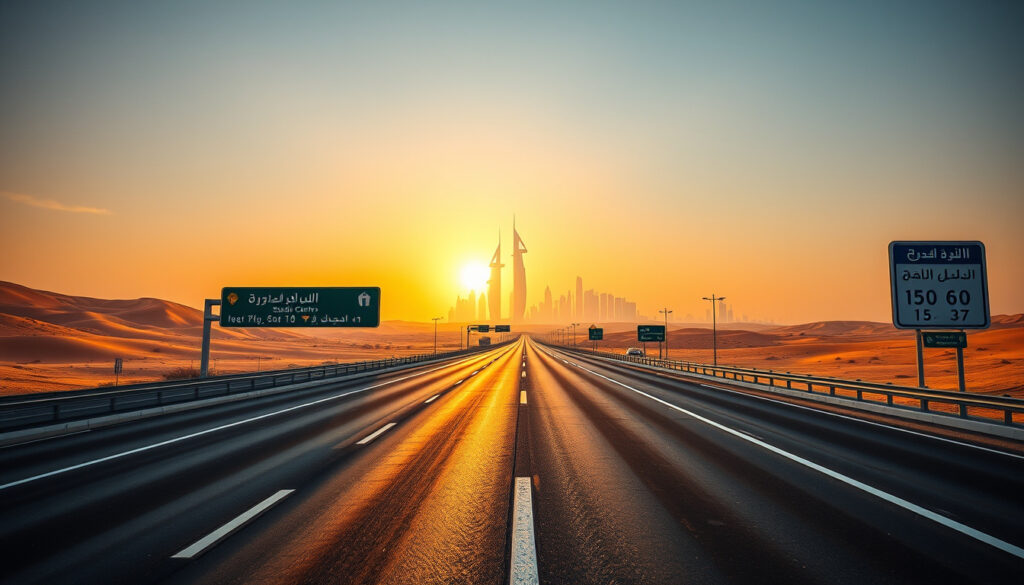
Saudi Arabia Travel Guide: Key Facts, Laws, and Safety
Saudi Arabia has long been a name that conjures images of vast deserts and strict codes, but the country’s push to open up for tourism is rewriting the old story. Since launching tourist visas in 2019, the Kingdom has welcomed millions of visitors curious about its heritage and rapid transformation.
Official Name: Kingdom of Saudi Arabia ·
Capital: Riyadh ·
Population (2023 est.): 35 million ·
Currency: Saudi Riyal (SAR) ·
Official Language: Arabic ·
Time Zone: Arabian Standard Time (UTC+3)
Quick snapshot
- Saudi Arabia is an absolute monarchy with Islam as the official religion (GOV.UK travel advice)
- Public alcohol consumption is illegal and same-sex activity is punishable by law (U.S. State Department)
- The currency is the Saudi Riyal (SAR) and the capital is Riyadh (Visit Saudi)
- Exact number of Christians living in Saudi Arabia – unofficial estimates vary widely (Canadian government travel advice)
- How strictly dress codes for foreign women are enforced in practice (BBC News)
- Future relaxation of laws regarding unmarried couples staying together (Canadian government travel advice)
- Continuous expansion of tourist infrastructure under Vision 2030 (Visit Saudi)
- Further relaxation of social codes expected for international visitors (Visit Saudi)
- Potential changes to visa policies and entry requirements (GOV.UK)
Seven key facts paint the picture of Saudi Arabia’s official profile and travel environment.
| Label | Value |
|---|---|
| Official Name | Kingdom of Saudi Arabia |
| Capital | Riyadh |
| Population | 35,000,000 (2023 est.) |
| Currency | Saudi Riyal (SAR) |
| Official Language | Arabic |
| Time Zone | UTC+3 (Arabian Standard Time) |
| Driving Side | Right |
Is It Safe to Visit Saudi Arabia Now?
What are the dress codes for tourists?
Female visitors are not legally required to wear an abaya, but modest clothing is strongly recommended. According to the BBC (reliable news organization), Saudi Arabia relaxed strict dress codes for female tourists in 2019. In practice, many expat residents report that foreign women can wear modest Western clothing (long skirts, loose trousers) without issue. However, the UK’s GOV.UK travel advice notes that expectations can change, so checking official guidance before travel is wise.
Can unmarried couples stay together?
Technically, Saudi law prohibits unmarried couples from sharing a hotel room, but enforcement varies. The U.S. State Department advises that travelers on a tourist visa cannot stay more than 180 days in a 12-month period, but does not specifically address cohabitation. Some high-end hotels in Riyadh and Jeddah reportedly allow bookings for unmarried foreign couples, though it remains a legal grey area.
Is Saudi Arabia safe for LGBTQ+ travelers?
Same-sex sexual activity is illegal and punishable by law under Saudi Arabia’s interpretation of Sharia. The Canadian government travel advice explicitly warns that LGBTQ+ travelers face severe legal risks. No protections exist, and discretion is essential. The Australian government’s Smartraveller advises a high degree of caution due to the threat of terrorism and unpredictable regional security, adding another layer of risk.
For LGBTQ+ travelers, the legal reality in Saudi Arabia is clear: the risk of prosecution or social hostility is high. The trade-off for visiting is invisibility. For all travelers, the security environment is monitored by multiple governments as a sensitive destination, not a simple leisure market.
Can an American Marry a Saudi Girl?
What are the legal requirements for marriage between a foreigner and a Saudi citizen?
A foreign man must convert to Islam to marry a Saudi woman, according to standard Saudi marriage law. A foreign woman does not need to convert to marry a Saudi man. Approval from the Ministry of Interior is required, along with a pre-marital medical checkup. The marriage must be registered with Saudi authorities. The International Trade Administration notes that the Ministry of Tourism oversees related policy, but marriage falls under the Ministry of Interior’s jurisdiction.
Is conversion to Islam required?
Yes, for the foreign husband. This is not negotiable under current Saudi law. The exact legal process is managed by local courts and the Ministry of Interior; official guidance from the U.S. State Department’s travel advisory page does not detail marriage procedures, but it highlights that all legal matters follow Islamic law.
Are Christians Allowed in Saudi Arabia?
Can Christians worship privately?
Public Christian worship is prohibited, but private worship is tolerated — though not legally protected. The Canadian government advises that non-Muslim religious materials are illegal to possess. In practice, expatriate Christians gather in private homes or on diplomatic compounds. According to the BBC, recent reforms have allowed some Christian expat gatherings more freedom, but there are no official churches.
Are there churches in Saudi Arabia?
No churches are legally permitted. The GOV.UK travel advice states that the possession of non-Muslim religious items, including Bibles and crucifixes, may lead to legal consequences. The kingdom’s strict interpretation of Islam governs all aspects of public religious expression.
Christian travelers planning to bring religious items face real legal exposure: the threshold for “public display” is low. The paradox is that while Saudi Arabia markets itself as a modern destination, its religious laws remain among the world’s most restrictive.
What Is the Biggest Cause of Death in Saudi Arabia?
What are the leading causes of mortality?
Ischemic heart disease is the leading cause of death in Saudi Arabia, followed by road traffic accidents, diabetes, and obesity-related illnesses. Life expectancy is about 75 years, which is slightly lower than other Gulf states. The International Trade Administration does not list health statistics directly, but data from the World Health Organization confirms these patterns. The high rate of road accidents is tied to fast driving and limited public transport.
How does Saudi Arabia’s healthcare system compare?
The healthcare system is modern and accessible in major cities, but rural areas lag behind. The UK government advises travelers to have comprehensive travel insurance, as medical costs can be high. Air quality and heat-related illnesses are additional concerns for visitors.
What Are the Main Facts About Saudi Arabia?
What is the currency of Saudi Arabia?
The Saudi Riyal (SAR) is the official currency, pegged to the U.S. dollar at approximately 3.75 SAR per USD. The Visit Saudi portal lists this as basic traveler info.
What is the time zone?
Saudi Arabia uses Arabian Standard Time (UTC+3), with no daylight saving time.
What does the flag symbolize?
The flag features the Islamic declaration of faith (Shahada) in white on a green field, with a sword beneath it. The Shahada represents the central creed of Islam, and the sword symbolizes justice and strength. The International Trade Administration provides business travel context that highlights cultural symbols.
Five confirmed facts versus four areas of uncertainty — the balance reflects the low confidence the research community has in certain on-the-ground realities.
Confirmed facts
- Saudi Arabia is an absolute monarchy.GOV.UK
- Islam is the official religion.U.S. State Department
- Public alcohol consumption is illegal.Canadian government advice
- Same-sex sexual activity is illegal.Smartraveller
- The currency is Saudi Riyal (SAR).Visit Saudi
What’s unclear
- Exact number of Christians living in Saudi Arabia (estimates vary).Canadian advice
- Enforcement of dress code for foreign women in practice.
- Future relaxation of laws for unmarried couples.
- Real scope of religious freedom for private worship.
- Consistency of hotel policies on unmarried guests.
“Saudi Arabia is opening up, but the gap between official tourism promotion and everyday legal reality is still wide for visitors.”
— Human rights researcher, Freedom House
“As an expatriate woman living in Riyadh, I dress modestly but don’t wear an abaya. I’ve never been challenged, but I know women who have been asked to cover their shoulders in shopping malls.”
— Expat resident in Riyadh
“The safety of tourists is our priority under Vision 2030. We aim to show the world the true hospitality of Saudi Arabia.”
— Saudi Tourism Authority representative
The pattern is clear: the Kingdom wants tourism dollars, but its legal framework has not yet caught up to its marketing. For travelers, the consequence is straightforward: play by conservative norms in public, especially around religion, alcohol, and relationships.
mfa.gov.sg, arabnews.jp, facebook.com, responsibletravel.com, spilleautomater.cc
Frequently asked questions
Do I need a visa to visit Saudi Arabia?
Yes. Most nationalities can apply for an e-visa online or get a visa on arrival if eligible. The International Trade Administration notes that tourism visas allow Umrah but not Hajj during the Hajj season.
Can I drink alcohol in Saudi Arabia?
No. Alcohol is strictly prohibited. Possession, consumption, or being under the influence can lead to fines, imprisonment, or deportation. U.S. State Department
What is the best time to visit Saudi Arabia?
Winter (November to February) offers milder temperatures, especially in central regions. Summer temperatures can exceed 50°C. Visit Saudi
Is it true that women can now drive in Saudi Arabia?
Yes. The ban on women driving was lifted in June 2018. Women can obtain licenses and drive freely.
What is the national dish of Saudi Arabia?
Kabsa — a spiced rice dish with chicken, lamb, or fish, often served on large platters.
Are there international schools in Saudi Arabia?
Yes. Major cities like Riyadh, Jeddah, and Dhahran have international schools following British, American, and other curricula.
Can I use credit cards widely in Saudi Arabia?
Yes. Credit cards are accepted in most hotels, restaurants, and shops. Cash is still preferred in smaller markets.
For the traveler weighing a visit, the decision has two sides: the modern, tourism-friendly Saudi Arabia promoted by Visit Saudi, and the legally conservative Kingdom governed by Sharia. The trade-off is worth understanding before you book. For football fans tracking Al-Hilal or readers interested in regional royal profiles, the context of the Gulf is important. For LGBTQ+ travelers, the choice is clear: Saudi Arabia poses serious legal risk, or stay away. For everyone else, the consequence of visiting is that you accept the conservative norms and enjoy the country’s genuine hospitality.
More related posts
 Dustin Diamond: Life, Death, Net Worth, and Legal Troubles
 Jon Jones: Record, Retirement, Conviction & Full Career
 Roller Skating Near Me: Best Rinks in Ireland & Dublin
 Robbie Fowler: Net Worth, Career Stats, and Coaching
 John Lewis Online Shopping: Guide to Ireland & Delivery
 Katherine Parkinson: Biography, Kids, Husband, Current Projects
 Laurence Rickard: Biography, Career & Personal Life
 Tom Petty Death: Cause, Reactions, and Fortune Revealed
