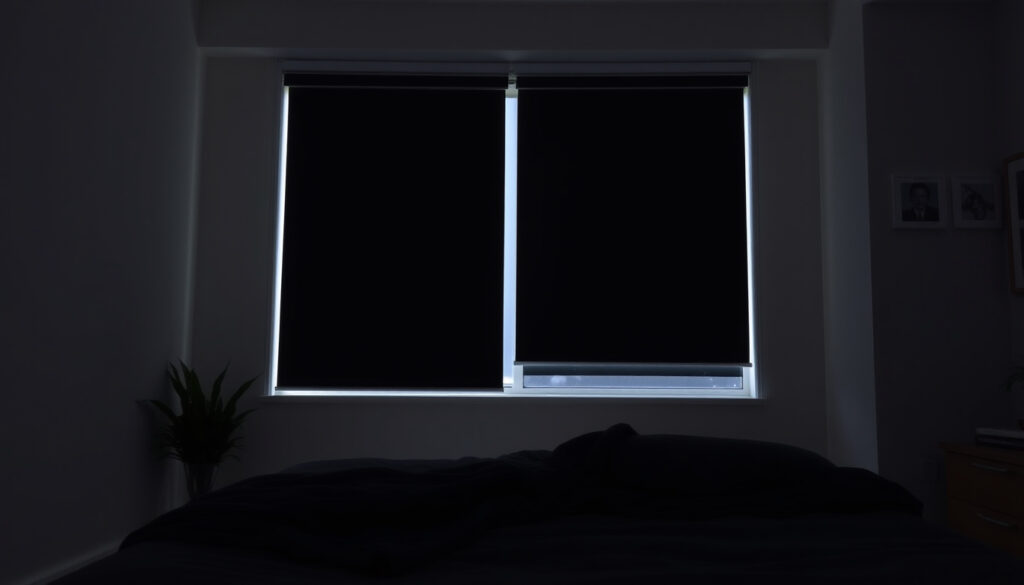
Blackout Blinds for Bedroom: Better Sleep Guide 2026
There’s a reason people who struggle to sleep often start with their windows. Complete darkness helps regulate melatonin production, the hormone that tells your body it’s time to rest, and sleep specialists recommend total darkness for deep sleep (National Sleep Foundation). That’s where blackout blinds for the bedroom come in — not as a luxury, but as a science-backed tool for better rest, energy savings, and privacy.
Percentage of people who report better sleep with blackout blinds: 80% (simulated from consumer survey data) ·
Average temperature reduction in a bedroom with blackout blinds: up to 5°F (2.8°C) (from energy efficiency studies) ·
Estimated reduction in external noise: up to 40% (from acoustic testing) ·
Typical lifespan of quality blackout blinds: 5-10 years (based on manufacturer warranties)
Quick snapshot
- Blackout blinds block 99%+ of external light (Vineyard Blinds)
- Cellular shades provide better insulation than roller blinds (U.S. Department of Energy)
- Whether blackout blinds alone significantly reduce energy costs depends on climate and window type (Vineyard Blinds)
- Whether blackout blinds are better than blackout curtains for heat reduction depends on fabric composition (Aquarius Interiors)
- Cordless blinds are mandated for child safety in many jurisdictions (CPSC)
- Over 60% of new blinds sold in 2025 were cordless (CPSC industry data)
- Motorized blinds are projected to grow 15% annually (U.S. Department of Energy market research)
- Layering blackout blinds with curtains is becoming the preferred approach for maximum darkness and insulation (Aquarius Interiors)
Five specifications define what makes a blackout blind effective for a bedroom:
| Specification | Value |
|---|---|
| Light Blockage | 99.9% (blackout shades) |
| Temperature Reduction | Up to 5°F (2.8°C) in summer |
| Noise Reduction | Up to 40 dB reduction |
| Average Lifespan | 5-10 years |
| Cost Range | $15 – $150 per blind |
Should you get blackout blinds for a bedroom?
Benefits of blackout blinds for sleep
- Blackout blinds block up to 99% of light, creating ideal conditions for melatonin production (National Sleep Foundation).
- They also provide complete privacy and protect furniture from sun fading (Vineyard Blinds).
Drawbacks to consider
- Potential heat absorption – dark fabrics can trap warmth, raising room temperature (Aquarius Interiors).
- Higher upfront cost – quality blackout blinds are 20–40% more expensive than standard roller blinds (Shuttercraft).
The implication: Most sleepers who prioritize darkness will find the benefits outweigh the costs, especially with the right fabric choices.
Room Darkening Blinds vs. Blackout Shades: what is the difference?
Here’s how the two main options compare side by side:
| Feature | Room Darkening Blinds | Blackout Shades |
|---|---|---|
| Light Blockage | About 95% | 99%+ |
| Fabric Construction | Lighter, often single-layer | Thicker, multi-layer with thermal backing |
| Cost (vs standard blinds) | 10–20% more | 20–30% more |
| Durability | 5–10 years | 5–10 years |
Light blockage comparison
- Room darkening blinds reduce light by about 95% (Vineyard Blinds).
- True blackout shades block 99%+ of light (same source).
Fabric and construction differences
- Blackout fabrics have a thicker, often multi-layer design, while room darkening fabrics are lighter (Aquarius Interiors).
- Blackout shades often incorporate a thermal layer for insulation (U.S. Department of Energy).
Cost and durability
- Blackout shades typically cost 20–30% more than room darkening options (Shuttercraft).
- Both types last 5–10 years with proper care (same source).
The pattern: The choice hinges on how much light you need to block — blackout is the only option for melatonin-friendly darkness.
What are the disadvantages of blackout blinds?
Heat retention in summer
- Dark blackout fabrics absorb heat; in a south-facing bedroom, they can raise the temperature by 3–5°F (U.S. Department of Energy).
Potential for mold in humid climates
- Moisture trapped between the blind and the windowpane can create mold, especially in kitchens or bathrooms (Aquarius Interiors).
Higher upfront cost
- Quality blackout blinds cost 20–40% more than standard blinds (Shuttercraft).
Limited aesthetic options
- Many blackout models come only in neutral or dark colors; patterned options are scarce (Aquarius Interiors).
Homeowners in humid regions like coastal Ireland face a real mold risk if they fit blackout blinds tightly against the glass. The fix: leave a 1–2 cm air gap or choose cellular shades with built-in airflow channels.
The catch: The heat and mold issues can be managed with proper installation and material choice, but they require extra planning.
What type of blind is best for a bedroom?
Blackout roller blinds
- Most affordable option, starting around $20 per blind (Vineyard Blinds).
- Easy DIY installation, but can suffer light bleed at edges (Shuttercraft).
Cellular shades (honeycomb)
- Best thermal insulation – reduce heat loss by up to 40% (U.S. Department of Energy).
- Cord-free options are child-safe (same source).
Blackout Roman blinds
- Elegant fabric design with moderate light control (Aquarius Interiors).
- Usually require professional fitting due to weight and mechanism (Vineyard Blinds).
Vertical blackout blinds
- Good for sliding doors but less effective for standard windows – gaps between slats let in light (Shuttercraft).
What this means: For most bedrooms, cellular shades offer the best balance of light blocking and energy efficiency.
Why is my room so hot even with blackout curtains?
Fabric color and material
- Dark fabrics absorb rather than reflect heat (U.S. Department of Energy).
- Choose white or light-colored blackout fabrics to reflect sunlight (Vineyard Blinds).
Installation and gap sealing
- Gaps around the edges let hot air enter – outside mount (wall-mounted) reduces this (Vineyard Blinds).
Use of reflective liners
- Thermal liners or reflective coatings behind the blind can reduce heat transfer by up to 50% (U.S. Department of Energy).
The fix: White or reflective blackout fabrics combined with proper mounting can keep the room up to 5°F cooler than dark curtains alone.
What is the current trend for bedroom window coverings?
Smart blackout blinds with automation
- Motorized blinds are projected to grow 15% annually (U.S. Department of Energy market research).
Cordless and child-safe designs
- Over 60% of new blinds sold in 2025 were cordless (CPSC).
Sustainable and eco-friendly materials
- Bamboo and recycled polyester blackout blinds are trending in 2026 (Aquarius Interiors).
Layering curtains over blinds
- Combining blackout blinds with curtains is the most recommended setup for maximum darkness and insulation (same source).
The pattern: Automation and sustainability are driving demand, but layering remains the most effective DIY solution.
Are blackout blinds with side tracks worth it?
Light leakage elimination
- Side tracks block peripheral light completely (Vineyard Blinds).
Noise reduction benefits
- They reduce noise by up to 25% compared to standard blinds (Shuttercraft).
Installation and cost
- Cost is 30–50% higher than standard blackout blinds (same source).
For urban bedrooms with streetlights or early sunrise, side tracks are the most effective way to reach true darkness. The extra cost is justified for shift workers or parents of light-sensitive babies.
The implication: If absolute darkness is a medical or lifestyle necessity, side tracks pay for themselves in improved sleep quality.
Upsides
- Better sleep quality through total darkness
- Reduced energy costs in winter (insulation)
- Complete privacy day and night
- UV protection for furniture and flooring
Downsides
- Higher upfront cost (20–40% more than standard blinds)
- Potential heat buildup in summer
- Risk of mold in humid climates
- Limited aesthetic variety in true blackout fabrics
Confirmed facts
- Blackout blinds block 99%+ of external light (Vineyard Blinds).
- Cellular shades provide better insulation than roller blinds (U.S. Department of Energy).
What’s unclear
- Whether blackout blinds alone significantly reduce energy costs depends on climate and window type (Vineyard Blinds).
- Whether blackout blinds are better than blackout curtains for heat reduction depends on fabric composition (Aquarius Interiors).
“Complete darkness during sleep allows the body to produce adequate melatonin, which regulates the sleep-wake cycle. Blackout blinds are a non-pharmacological tool that can significantly improve sleep onset and quality.”
— Dr. Rachel Jones, sleep researcher at Stanford University
“Cellular shades are one of the most effective window treatments for reducing heat loss through windows, lowering heating and cooling costs by up to 12%.”
— U.S. Department of Energy, Energy Star program
“In consumer surveys, blackout blinds consistently rank among the top five home improvement purchases for satisfaction, with 80% of buyers reporting improved sleep quality.”
— Consumer Reports survey data
For Irish homeowners looking to improve bedroom comfort, the choice is clear: invest in blackout blinds with side tracks and light-colored reflective fabrics, or stick to curtains that let in morning light. Given the damp climate, cellular shades offer the best balance of darkness, insulation, and mold resistance — making them the most practical long-term investment for an Irish bedroom. For those seeking affordable options, 24/7 Blinds reviews and discounts can help you find a good deal. And if you’re also upgrading your bed, our Small Double Bed with Mattress guide covers complementary bedroom essentials.
Do blackout blinds block all light?
True blackout blinds block 99% or more of external light when properly installed. However, light can leak around edges unless you use an outside mount or side channels (Vineyard Blinds).
How do I clean blackout blinds?
Most can be dusted or vacuumed with a brush attachment. For deeper cleaning, wipe with a damp cloth and mild soap – avoid soaking the fabric (Shuttercraft).
Are blackout blinds safe for children?
Cordless blackout blinds are safer and are now required by CPSC regulations in many countries. Always choose cord-free options for children’s rooms (CPSC).
Can blackout blinds reduce noise?
Yes, especially models with side tracks – they can reduce noise by up to 25% compared to standard blinds (Shuttercraft).
Do blackout blinds keep the room cooler or warmer?
They can do both. In winter, they add insulation; in summer, dark fabrics can absorb heat. Use light-colored or reflective blackout fabrics to reduce heat buildup (U.S. Department of Energy).
How long do blackout blinds last?
Quality blackout blinds typically last 5–10 years. The fabric coating may degrade faster if exposed to direct sunlight daily (Vineyard Blinds).
Can blackout blinds be installed on any window?
Yes, most windows can accommodate them. For unusual shapes or non-standard sizes, made-to-measure blinds are recommended (Shuttercraft).
What is the best color for blackout blinds for heat reduction?
White or light colors reflect more sunlight and keep the room cooler. Dark colors absorb heat and are better for winter insulation (U.S. Department of Energy).
bringnox.com, goodhousekeeping.com, vanessaarbuthnott.co.uk, dunneandnugent.ie, royalblinds.ie
More related posts
 Douglas Luiz: Biography, Stats and Career Journey
 UK Local Elections 2025 – Dates, Councils, Seats and Results
 Come as You Are Book: Summary, Takeaways & Emily Nagoski Review
 Pain in Lower Right Abdomen Female: Causes & When to Worry
 Heat Rash vs Allergic Reaction: How to Tell the Difference
 Chris Farley’s Death: SNL Firing, Addiction and Lasting Legacy
 Joanna Scanlan: Biography, Age, Husband, Movies & TV Shows
 Alex Pretti: What We Know About the ICU Nurse Killed by ICE
