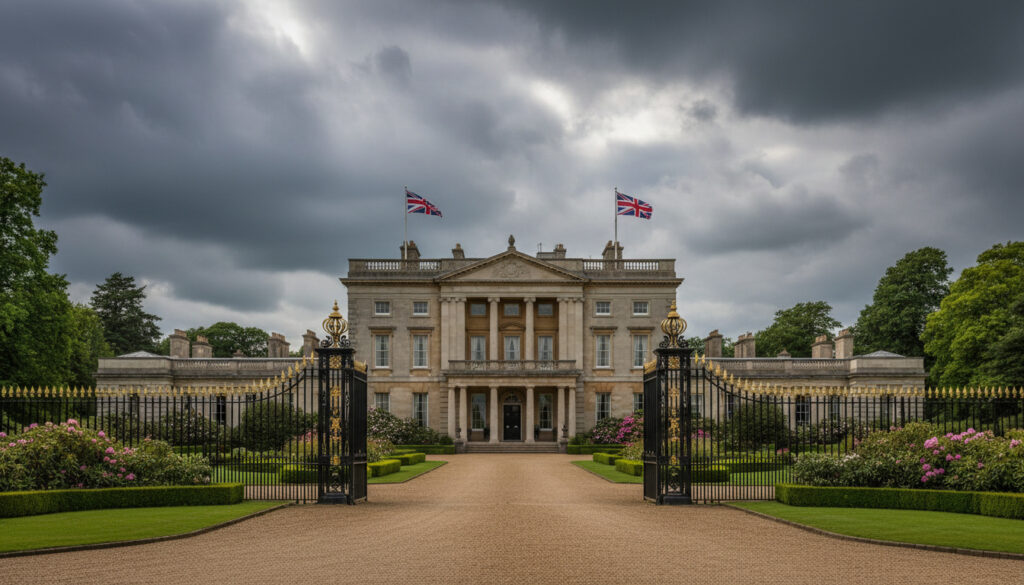
Prince Andrew Royal Lodge – Stays Amid King Charles Pressure
Prince Andrew retains his residence at Royal Lodge in Windsor despite sustained pressure from King Charles III to vacate the 30-room mansion. The Duke of York has secured his position through a 75-year lease agreement that legally shields him from eviction, forcing the monarch to abandon relocation plans as of late 2024. Recent reports confirm the King withdrew eviction demands after Andrew presented documentation proving his contractual entitlement to remain.
The conflict centers on Andrew’s refusal to downsize to Frogmore Cottage, the former home of the Duke and Duchess of Sussex, amid concerns over the historic building’s deteriorating condition and escalating upkeep costs. King Charles had sought to reduce the financial burden on the royal family by moving his brother to the smaller, more modern residence within the castle’s security perimeter, but the legal lease provisions prevailed.
Andrew continues to occupy Royal Lodge alongside his ex-wife Sarah Ferguson, having resided there since 2004. Despite losing his police protection in 2022 following the Epstein scandal, he maintains legal tenancy rights through a lease that extends decades into the future.
Does Prince Andrew Still Live at Royal Lodge?
Andrew remains firmly entrenched at Royal Lodge, with royal experts confirming he has effectively “won the row” regarding his continued occupancy. The 75-year lease provides him with unique protection against removal, provided he continues to meet rent obligations and maintenance standards.
Windsor Great Park, Berkshire
Prince Andrew (since 2004)
Secure tenancy; eviction plans abandoned
Maintenance obligations versus cost burden
Key developments in the Royal Lodge situation include:
- Andrew holds a 75-year lease granted by the Crown Estate, providing long-term security against eviction
- King Charles officially abandoned efforts to relocate Andrew in late 2024
- Annual rent payment of approximately $337,000 (USD)
- Personal investment exceeding $9 million in renovations and repairs
- Private security costs of nearly $4 million annually shifted entirely to Andrew in 2024
- Lease subject to Crown Estate review in 2028 regarding maintenance compliance
- Alternative accommodation at Frogmore Cottage formally offered and declined
| Attribute | Detail | Source Basis |
|---|---|---|
| Property Size | 30 rooms | Crown Estate records |
| Construction Era | 19th century | Historical archives |
| Lease Duration | 75 years | Tenancy agreement |
| Annual Rent | ~$337,000 USD | Lease terms |
| Initial Investment | $1 million (entry fee) | Financial records |
| Repair Expenditure | $9+ million | Personal accounts |
| Security Costs (Previous) | ~$4 million/year | Royal expenditure |
| Current Security | Privately funded by Andrew | 2024 policy change |
| Next Lease Review | 2028 | Contract provisions |
| Alternative Property | Frogmore Cottage | Royal property portfolio |
Why Won’t Prince Andrew Leave Royal Lodge?
Andrew’s refusal to relocate stems primarily from the legal protections embedded in his lease agreement and the significant personal financial investment he has committed to the property. The Crown Estate granted the 75-year tenancy under specific terms that require the monarch to honor the contract unless severe maintenance breaches occur.
The Legal Protection of the 75-Year Lease
The lease documentation provides Andrew with a contractual shield against eviction as long as he fulfills maintenance obligations. Legal experts note that the Crown Estate can only intervene if the property falls into disrepair or if Andrew defaults on rent payments, neither of which has occurred despite the building’s visible deterioration. This contractual standing forced King Charles to withdraw his eviction demands when Andrew presented the lease provisions in formal discussions.
The tenancy agreement legally protects Andrew from eviction provided he meets strict maintenance obligations. The Crown Estate retains the right to review the lease in 2028 specifically regarding property preservation standards.
The Rejected Alternative: Frogmore Cottage
Frogmore Cottage, recently vacated by Prince Harry and Meghan Markle, represented King Charles’s preferred solution for Andrew’s housing needs. The property offers modernized facilities, lower running costs, and integration within Windsor Castle’s existing security perimeter, eliminating the need for expensive external protection. Andrew rejected this option, choosing instead to absorb the higher costs of Royal Lodge to retain the larger residence and its grounds.
Who Owns Royal Lodge and What Is Its History?
The Crown Estate holds ownership of Royal Lodge, maintaining the property as part of the Windsor Castle estate portfolio. This arrangement places the mansion under the stewardship of the reigning monarch’s property holdings while allowing private lease arrangements for royal family members.
Crown Estate Ownership Structure
As Crown property, Royal Lodge operates under the ancient tenure system governing royal residences. The 75-year lease granted to Andrew represents a long-term departure from traditional grace-and-favor arrangements, creating a quasi-private ownership situation where the tenant bears full responsibility for structural maintenance and operational costs.
Location Within Windsor Great Park
The mansion sits within Windsor Great Park, Berkshire, occupying a position on the Windsor Castle grounds that provides both privacy and proximity to the monarch’s official residence. Built in the 19th century, the 30-room property has served various royal purposes before becoming Andrew’s private residence in the early 2000s.
What Are the Costs of Royal Lodge for Prince Andrew?
The financial burden of maintaining Royal Lodge has escalated dramatically, with reports indicating annual expenses exceeding several million dollars. These costs have become a central point of contention as Andrew must now fund all operations independently following the withdrawal of royal financial support for security and maintenance.
Renovation and Structural Repair Expenses
Andrew has personally invested over $9 million in renovations since assuming the tenancy, in addition to a $1 million entry fee paid to secure the lease. The property currently suffers from significant deterioration including dampness, worsening brickwork cracks, peeling paint, and falling plaster. Overgrown shrubbery and woodland areas compound the maintenance challenges, with experts warning that “wear and tear” is nearing collapse in certain sections.
The Crown Estate may revoke the lease in 2028 if Andrew fails to demonstrate adequate preservation of the historic property. Current deterioration levels, including structural cracks and dampness, could trigger this provision if not addressed comprehensively.
Security Funding Changes
Following the loss of police protection in 2022, private security costs reached nearly $4 million annually, which King Charles initially covered. However, Charles declined to renew the security funding contract in 2024, transferring full financial responsibility to Andrew. This change significantly increased the annual cost burden while providing the King with additional leverage in the dispute over the property’s future.
Reports indicate Andrew has personally undertaken garden maintenance duties to reduce operational expenses. He tends to the overgrown shrubbery and woodland areas himself as part of efforts to manage the multi-million dollar annual upkeep costs without royal assistance.
What Is the Timeline of the Royal Lodge Dispute?
- : Prince Andrew assumes tenancy at Royal Lodge, paying $1 million entry fee and beginning residence with Sarah Ferguson.
- : King Charles initially proposes downsizing to Frogmore Cottage, citing cost efficiency and modernization benefits.
- : Andrew loses police protection following Epstein scandal fallout; King Charles begins funding $4 million annual private security.
- : King Charles withdraws eviction plans and declines to renew private security funding, shifting all costs to Andrew.
- : Scheduled Crown Estate lease review regarding maintenance compliance and potential revocation.
What Is Certain and What Remains Uncertain?
| Established Information | Unclear Information |
|---|---|
| Crown Estate owns the property freehold | Specific developments expected in 2025 |
| Andrew holds a valid 75-year lease | Long-term financial sustainability of independent funding |
| Residency continuous since 2004 | Outcome of 2028 lease review |
| $9+ million spent on repairs by Andrew | Potential for future family financial support |
| King Charles abandoned eviction plans (late 2024) | Extent of current structural damage |
| Security funding withdrawn in 2024 | Possibility of negotiated early departure |
How Does the Royal Lodge Dispute Fit Within Broader Royal Dynamics?
The conflict over Royal Lodge illustrates the tension between the monarch’s authority and the legal rights of individual royal family members under leasehold agreements. While King Charles III seeks to streamline royal expenditure and consolidate the family’s public image, How Much Can You Put in an ISA reflects the broader financial pressures facing non-working royals who must now fund their lifestyles independently.
Andrew’s determination to retain the mansion despite costs aligns with his resistance to further reduction in status following the loss of his military titles and public roles. The situation draws parallels to other royal housing arrangements, though the length of Andrew’s lease and his personal investment create unique legal complications that distinguish this from typical grace-and-favor residences.
What Have Royal Commentators Said About the Situation?
Andrew won the row. He can stay at Royal Lodge if he fulfills the provisions of the lease.
Royal experts cited in Fox News reports
He remains all smiles at Royal Lodge, but must prove ongoing preservation to avoid 2028 lease challenges.
Reports on late 2024 status
What Is the Current Status of Prince Andrew at Royal Lodge?
As of late 2024, Prince Andrew maintains secure tenancy at Royal Lodge through his 75-year lease, despite withdrawing royal financial support for security and maintenance. While King Charles has abandoned eviction plans, Andrew faces mounting pressure to address severe property deterioration before the 2028 lease review. The situation leaves the Duke independently funding multi-million dollar annual costs while retaining one of the most prestigious royal residences. For those tracking significant financial commitments, How to Pick a Baby Name offers insight into other major life decisions requiring careful planning.
Frequently Asked Questions
Where exactly is Royal Lodge located?
Royal Lodge sits within Windsor Great Park in Berkshire, on the grounds of Windsor Castle. The 30-room mansion occupies a private position near the monarch’s official residence.
How much has Prince Andrew spent on Royal Lodge repairs?
Andrew has invested over $9 million in renovations and repairs since assuming the tenancy, plus a $1 million initial entry fee paid to secure the lease.
Who currently pays for security at Royal Lodge?
As of 2024, Prince Andrew funds all private security costs independently. King Charles declined to renew the previous $4 million annual security contract.
What happens in 2028 regarding the lease?
The Crown Estate may review or revoke the lease in 2028 if maintenance disputes arise or if Andrew fails to meet preservation obligations for the historic property.
Why did King Charles want Andrew to move to Frogmore Cottage?
Frogmore Cottage offers lower upkeep costs, modernized facilities, and integration within Windsor Castle’s security perimeter, eliminating expensive external protection needs.
Does Sarah Ferguson live at Royal Lodge with Prince Andrew?
Yes, Sarah Ferguson, Andrew’s ex-wife, resides at Royal Lodge alongside him, having lived there since he assumed the tenancy in 2004.
More related posts
 Real Betis vs Chelsea F.C. Timeline: Head-to-Head History
 Jon Jones: Record, Retirement, Conviction & Full Career
 Buddy Holly Plane Crash: Cause, Myths, and Wife’s Fate
 Spain Portugal Blackout Report – Causes and Impacts
 Gwyneth Keyworth: Welsh Actress, BAFTA Winner & TV Roles
 Joan Crawford: Life, Death, Feud with Bette Davis, and Legacy
 Rafael Nadal: diagnosis, family, net worth & life after tennis
 Alan Partridge: Catchphrases, Netflix Exit, and ADHD Speculation
