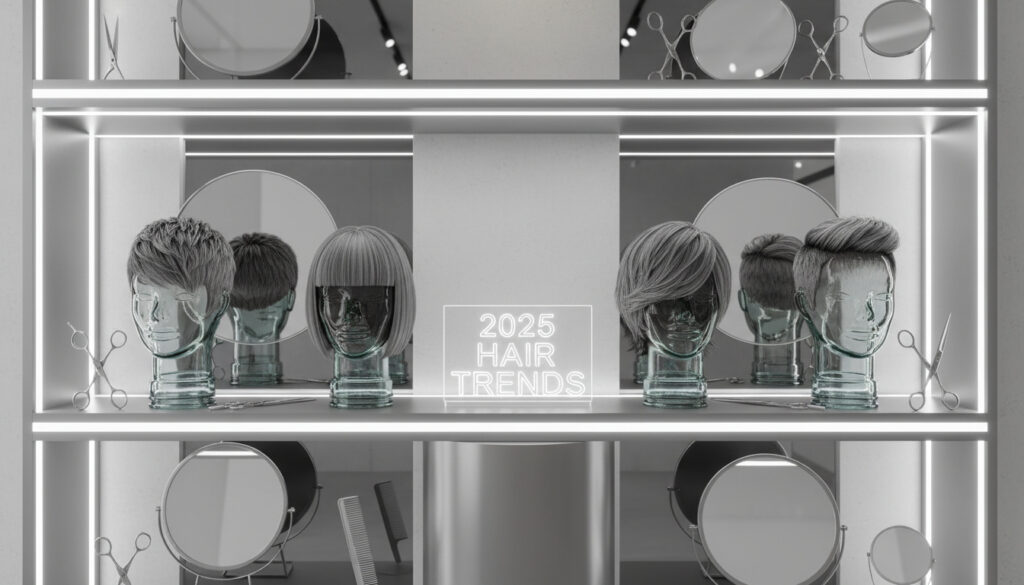
Short Hair Styles for Women – Best 2025 Cuts by Face Shape
The chop is back. In 2025, short hair has transcended mere convenience to become the definitive statement of modern style. From the resurgence of ’90s-inspired textures to whisper-light pixies that frame the face like sculpture, women are embracing cuts that prioritize movement over maintenance and personality over uniformity.
This shift represents more than aesthetics. Celebrity stylists and trend reports indicate a move toward hybrid cuts—neither fully bob nor entirely pixie—that work with natural texture rather than against it. According to Who What Wear, the emphasis is on “effortless, textured cuts” that air-dry beautifully and require minimal intervention.
Whether you’re considering your first short cut or refreshing an existing style, the current landscape offers unprecedented versatility. The best short hairstyles for women now accommodate every face shape, hair density, and age demographic, with specific adaptations for thin hair, curly textures, and mature women seeking sophisticated rejuvenation.
What Are the Best Short Hairstyles for Women in 2025?
The defining characteristic of 2025’s short hair movement is hybridization. Styles blend elements from different eras and cut families, creating shapes that feel both nostalgic and thoroughly contemporary. Elle UK identifies this as a decisive move away from uniform bobs toward personality-driven shapes that air-dry well.
A bob-pixie hybrid featuring choppy layers and lived-in texture. This cut offers the boldness of short hair without the commitment of an extreme crop.
Ultra-short and modern, debuted by Taylor Hill. Soft edges create a timeless silhouette reminiscent of Audrey Hepburn but with contemporary wearability.
Chin-length with clean lines and soft texture. Sophia Richie has spiked its popularity, proving it works on textured hair by leveraging natural volume.
Tight sides with full curls on top, as seen on Tia Mowry. This shape celebrates natural texture while providing structure and ease.
Key insights driving this year’s trends include:
- Hybrid cuts now dominate, moving away from uniform bobs toward personality-driven shapes
- Natural texture takes precedence over heat-styled perfection
- Air-dry friendly designs reduce daily maintenance routines significantly
- Choppy layers add volume for thin hair without creating heaviness
- Face-shape customization is essential rather than optional
- Styles project into 2026 with continued focus on pixies and textured crops
- Low-maintenance requirements suit busy professional lifestyles
| Style | Face Shapes | Hair Types | Maintenance |
|---|---|---|---|
| ’90s Bixie | All shapes | Straight, Wavy | Low |
| Whisper Pixie | Oval, Heart | Fine, Straight | Very Low |
| French Bob | Oval, Square | Straight, Wavy | Medium |
| Flipped Bob | Round, Oval | Thick, Straight | Medium |
| Pixie Bob | All shapes | Thin, Fine | Low |
| Curly Tapered | All shapes | Curly, Coily | Low |
Which Short Hairstyles Suit Different Face Shapes?
Strategic layering and specific fringe placements transform generic short cuts into personalized flattering shapes. Revlon Professional notes that adaptation is key—no face shape is excluded from the short hair trend when the cut is properly customized.
Round Faces
For circular face shapes, the goal is elongation and vertical emphasis. The vintage pixie with side-parted longer bangs creates asymmetry that draws the eye upward. Thinning the sideburns prevents width accumulation at the jawline, while height at the crown adds crucial inches to the silhouette.
Side-parted layers add volume exactly where round faces need it most—at the crown rather than the cheeks. This technique, recommended for textured hair, works equally well on straight strands when cut with point-cutting methods.
Oval Faces
Oval face shapes enjoy the most versatility. Balanced proportions allow for classic pixies, whisper cuts, and French bobs without significant modification. The even distribution of features means most trending styles work immediately, though classic pixies particularly highlight cheekbones and eyes.
Square Faces
Angular jawlines require softening elements. French bobs and flipped bobs reduce perceived angularity through curved perimeter lines. Textured layers break up the solid lines that can emphasize squareness, while side-swept fringe directs attention toward the eyes and away from the jaw.
What Are the Lowest Maintenance Short Haircuts?
The 2025 approach to short hair rejects high-maintenance styling routines. Beauty authorities confirm a decisive shift toward cuts that look intentional when air-dried and require minimal product intervention.
The Wash-and-Wear Bixie
The ’90s bixie cut exemplifies low-maintenance design. Its choppy layers work with natural texture, meaning the cut often looks better three days post-wash than freshly blown out. This “lived-in” aesthetic requires only occasional texturizing spray to enhance separation between layers.
Air-Dry Friendly Textured Crops
Cuts designed for curly and wavy hair types increasingly dominate low-maintenance recommendations. The curly tapered cut, for instance, relies on growth oils for hydration rather than heat tools for shape. When cut correctly, the natural spring of the hair provides all necessary volume and movement without styling products.
How to Choose Short Cuts for Thin Hair or Over 50?
Age and hair density present specific considerations that influence cut selection. While short hair suits women from twenty to seventy, the execution differs significantly based on texture and maturity. Women navigating significant life changes, whether considering Very Early Signs of Pregnancy 1 Week – Symptoms, Timeline and Facts or a dramatic hair transformation, benefit from expert guidance and realistic expectation-setting.
Volume Solutions for Fine Hair
Thin hair benefits from choppy layers, pixie bobs, and vintage pixies that create fullness without weight. Asymmetrical and tousled boyish cuts prove particularly effective for creating the illusion of density. Feathered bangs and softer edges prevent the “see-through” effect that can plague blunt cuts on fine hair.
Asymmetrical cuts create visual density through uneven weight distribution. For thinning hair, avoid heavy, blunt perimeter lines that expose the scalp; instead, opt for textured ends that create shadow and depth.
Elegant Options for Mature Women
Women over 40 and 50 gravitate toward elegant pixies, classic bobs, and curly tapered cuts that signal sophistication while offering rejuvenating effects. Gray hair particularly shines in classy pixie cuts with curly volume on top, creating a distinguished yet contemporary appearance.
While daily styling may be minimal, short cuts require trimming every four to six weeks to maintain their shape. The investment shifts from morning styling time to regular salon visits.
How Have Short Hair Trends Evolved?
The current obsession with short hair did not emerge overnight. Its trajectory reveals cyclical preferences modified by contemporary lifestyle needs.
- : The Pixie Revival. Celebrities like Emma Watson and Anne Hathaway sparked renewed interest in ultra-short cuts, emphasizing feminine features through exposure.
- : The Textured Bob Explosion. Moving away from the sharp “lob,” stylists introduced choppy, layered bobs that accommodated natural texture and grew out gracefully during uncertain times.
- : The Hybrid Movement. The bixie, pixie bob, and whisper cuts represent a fusion of previous eras, prioritizing air-dry compatibility and personal expression over rigid category definitions. YouTube tutorials document thousands of transformations following this hybrid approach.
Which Short Hair Trends Are Proven vs. Experimental?
Not all trending styles carry the same track record. Understanding which cuts have stood the test of time versus those currently emerging helps manage expectations.
| Established Styles | Emerging Trends |
|---|---|
| Classic Pixie: Decades of documented wearability across age groups | Hydro Bob: Wet-look styling popularized by Camila Cabello; requires significant product and may not suit all textures |
| French Bob: Periodic resurgence since the 1920s, proven adaptable | Whisper Pixie: 2025 debut by Taylor Hill; ultra-short length requires specific bone structure |
| Curly Tapered: Established within natural hair care communities for years | Extreme Textured Crops: Heavy point-cutting techniques that may grow out unpredictably |
Why Is Short Hair Dominating 2025?
The resurgence of short hair reflects broader cultural shifts toward authenticity and efficiency. Post-pandemic, women report desiring hairstyles that reduce morning routines while maintaining professional polish. This aligns with a general movement toward “skinimalism” and natural texture in all aspects of personal care.
Celebrity influence drives specific adoption patterns. When Taylor Hill debuted her whisper pixie styled by Danielle Praino, searches for ultra-short feminine cuts spiked. Similarly, Sophia Richie’s French bob revival and Gigi Hadid’s flipped bob appearances create immediate demand for replication.
The proliferation of transformation videos has democratized access to short hair inspiration. Women can now visualize transitions from long to short on diverse hair types before committing, reducing the anxiety historically associated with dramatic cuts.
What Do Professional Stylists Recommend?
Industry experts emphasize consultation and texture analysis over trend-chasing. Their insights ground the aesthetic movement in technical reality.
The whisper pixie works because it references Audrey Hepburn’s timelessness while incorporating modern softness. It’s not about replicating the past but translating it for contemporary wearability.
— Danielle Praino, Celebrity Stylist
Square and jagged bobs require precise cutting to maintain their architectural quality. The short back variations we’re seeing demand regular maintenance to preserve their intended silhouette.
— Paul Edmonds, Salon Director
Choosing Your Perfect Short Style
Selecting the right short haircut requires balancing face shape, hair texture, maintenance capacity, and personal aesthetic. The 2025 landscape offers genuine options for every variable—from the wash-and-wear bixie for busy professionals to the elegant French bob for sophisticated evenings. How to Pick a Baby Name – 2025 Trends and Smart Tips demonstrates how personal choices reflect both trend awareness and individual identity, much like selecting between a whisper pixie and a curly tapered cut.
Frequently Asked Questions
How do I transition from long hair to a short cut safely?
Consider intermediary steps such as the lob or bixie before committing to a pixie. Consultation with a stylist who analyzes your natural texture and growth patterns prevents shock and ensures the cut evolves with your lifestyle.
What products work best for maintaining pixie cuts?
Texturizing pastes and dry shampoos provide separation and volume without weight. For curly tapered cuts, growth oils maintain hydration and shine. Avoid heavy creams that flatten the intended shape.
Can curly hair work with French bobs?
Yes, but the cut must account for shrinkage. A curly French bob requires slightly longer initial length to settle at chin level when dry. Stylists recommend cutting curly hair in its natural dry state.
How often should short hair be trimmed?
Most short styles require maintenance every four to six weeks. Pixies and bixies grow out of shape quickly, while French bobs may extend to eight weeks depending on texture and desired precision.
Is the bixie cut suitable for very fine hair?
Absolutely. The choppy layers characteristic of the ’90s bixie create visual density. The hybrid nature allows for enough length to prevent scalp show-through while maintaining the ease of short hair.
Are pixie cuts appropriate for professional environments?
Modern pixies, particularly the whisper and classic variations, read as sophisticated and intentional in corporate settings. The key is precise maintenance and appropriate styling products to avoid appearing unkempt.
What is the difference between a bixie and a pixie bob?
The bixie blends bob length with pixie layering, often falling between the ear and chin. The pixie bob is shorter, typically featuring the cropped back of a pixie with slightly longer, bob-like front pieces.
More related posts
 Gwyneth Keyworth: Welsh Actress, BAFTA Winner & TV Roles
 Prince Edward: Duke of Edinburgh, Black Prince & Abdication
 Cush Jumbo: Biography, Age, Height, Hair Reason, OBE and More
 Best 55 Inch TV – Top Picks for Gaming, Movies and Budget
 What Continent Is Russia In – Europe, Asia or Both?
 Antonia Gentry: Age, Ethnicity, Relationship & Wig Rumors
 Rosie Huntington-Whiteley: Age, Children, and Jason Statham
